We help you stand up logistics operations, and measure them
Every LogPac engagement is scoped to a measurable operational outcome. We do the analysis, then we stay to help your team land it. LogPac provides consulting and software; it does not broker, arrange, or carry freight.
Practice areas
Network Standup & Market Entry
Planning a logistics operation where there was not one — a new region, a new plant, a relocated production base. Node and site selection, criteria for choosing carriers and 3PLs, flow and inventory design, and the operating model your team runs from the first shipment.
- Concept of support
- Node selection & provider criteria
- Operating model & runbook
Supply Chain Strategy & Network Design
We build a working model of your lanes, volumes, and service commitments, then test alternatives against it — consolidation points, mode shifts, facility placement — until the numbers justify a change.
- Baseline network model
- Scenario comparison
- Implementation sequence
Procurement & Sourcing
Rate benchmarking, structured RFPs, and negotiation support for your team. We normalise carrier pricing into something genuinely comparable, so the decision is about service rather than spreadsheet formatting — and you contract with the carrier directly. The same discipline carries to direct sourcing, where country-of-origin restrictions and sub-tier exposure often narrow the field before price is ever discussed — a habit our team brought out of defense manufacturing procurement.
- Rate benchmark
- RFP design & analysis
- Supplier qualification
- Negotiation support
Supply Chain Risk & Resilience
Where the network breaks and what it costs when it does: carrier and supplier concentration, financial exposure, tariff and trade-policy shifts, country-of-origin exposure sitting two tiers below the suppliers you actually contract with, single-threaded lanes. The output is a contingency plan someone can execute at 2am, not a slide deck of scenarios.
- Exposure map
- Sub-tier visibility
- Contingency playbooks
- Supplier & carrier risk review
Operating Model & Provider Oversight
The routines your team runs every day — exception handling, carrier scorecards, performance reviews — and one view of how your carriers, forwarders, and 3PLs perform against what they committed to.
- Exception routines
- Carrier scorecards
- Performance reporting
International Flows & Landed Cost
Cross-border flow design, trade-compliance readiness reviews, and the landed-cost visibility that makes international decisions defensible — alongside your licensed customs broker and forwarder, who file and move.
- Cross-border flow design
- Compliance readiness review
- Landed cost visibility

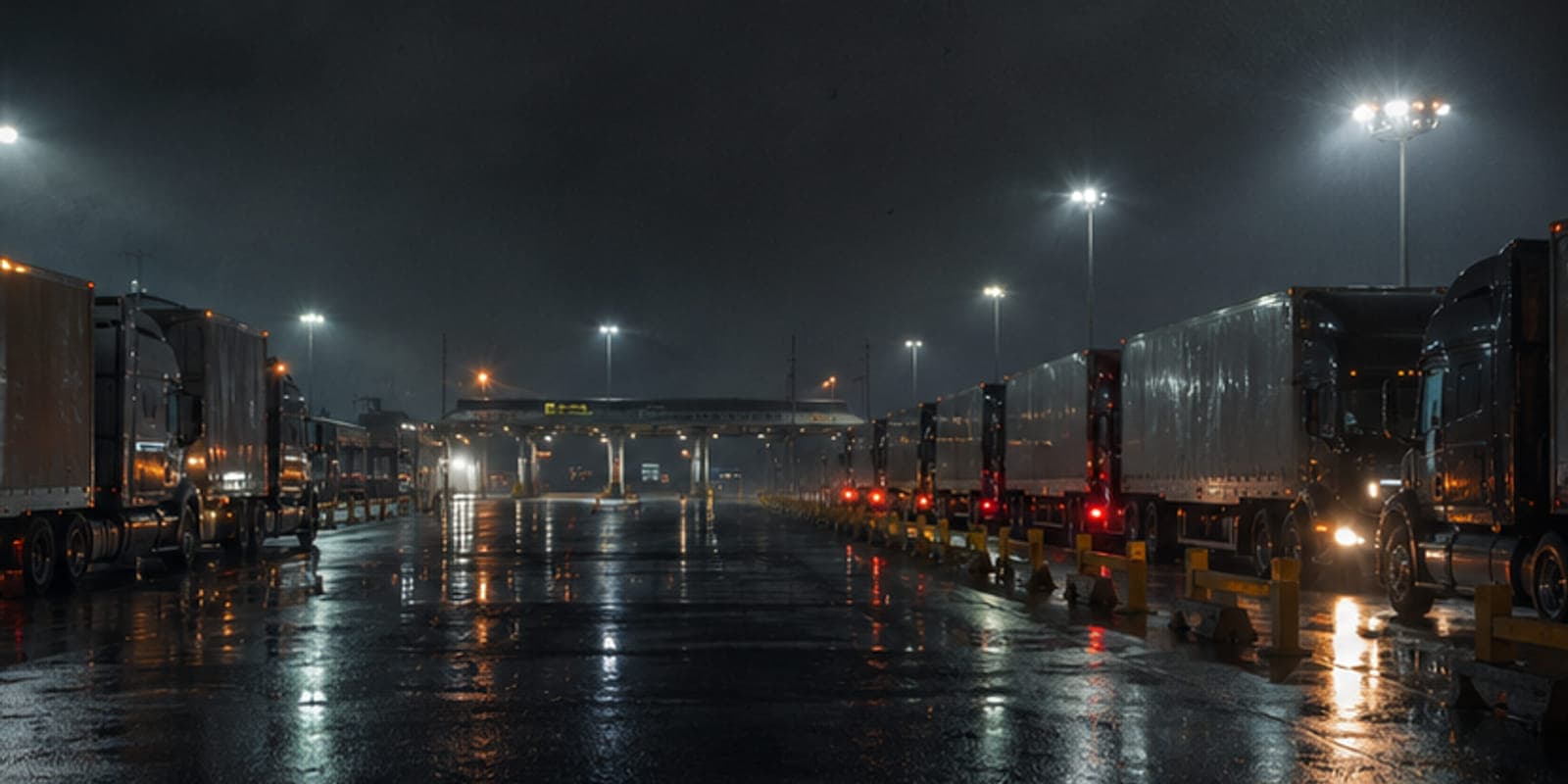
We work on site, with your operators
Analysis is the easy part. The value shows up when someone is standing on the dock at five in the morning with your team while the new process starts to run — and staying until it does.
How an engagement runs
Most engagements start small and specific. A diagnostic on your invoices, rates, and lanes costs a fixed fee, takes two to three weeks, and tells you whether the larger work is worth doing.
Diagnostic
Two to three weeks. We pull your shipment, rate, and invoice data, build the baseline, and show you where cost and service are leaking — usually starting with what carriers have actually been billing you against contract.
Design
We model the options with your team in the room. You leave with a ranked set of changes and the business case behind each one.
Implement
We work alongside your operators as they put the changes into production — process changes, provider changes they contract directly, and the platform rollout.
Measure
Your team runs the operation; the platform keeps the baseline current so performance drift is visible immediately, not at the next quarterly review.
Not sure which one you need?
Most engagements start with a diagnostic. Tell us what hurts and we'll tell you whether we can help.
Start a conversation